
The Places We Cannot Save
Preservation has its limits - meaning doesn't.

A Note from Me
I started this newsletter three months ago. Thank you so much for being my earliest supporters.
The cornerstone of what I want to do here is long, deep storytelling. So far, that’s taken shape in Another Battle of Manassas and Divided Times in Lucketts. Stories like these take time and effort, but I aim to publish features like these once a month - or longer, when the story demands it.
There’s a question at the heart of my publication: As we evolve, what are we losing, and are we ok with it?
I’m looking forward to exploring that with you all. In the meantime, here’s an update of what you can expect from my posts:
This Land is Your Land: Longform journalism on endangered places and pieces of our collective American culture
Lost & Found: Regular dispatches and field notes from my reporting, like the one below
The In Between: Personal reflections on change & memory
Into the Map: Q&As with people helping us understand what it means to save - or let go
Feel free to comment, chat, or email me with story tips, ideas, & feedback at lostinthecorners@gmail.com.
Lost & Found
I loved this photo essay (gift link) in the Washington Post. I live in Ashburn, VA - the world’s data center capitol - and have written about how life here is intertwined with technology. But this piece gave me a new perspective.
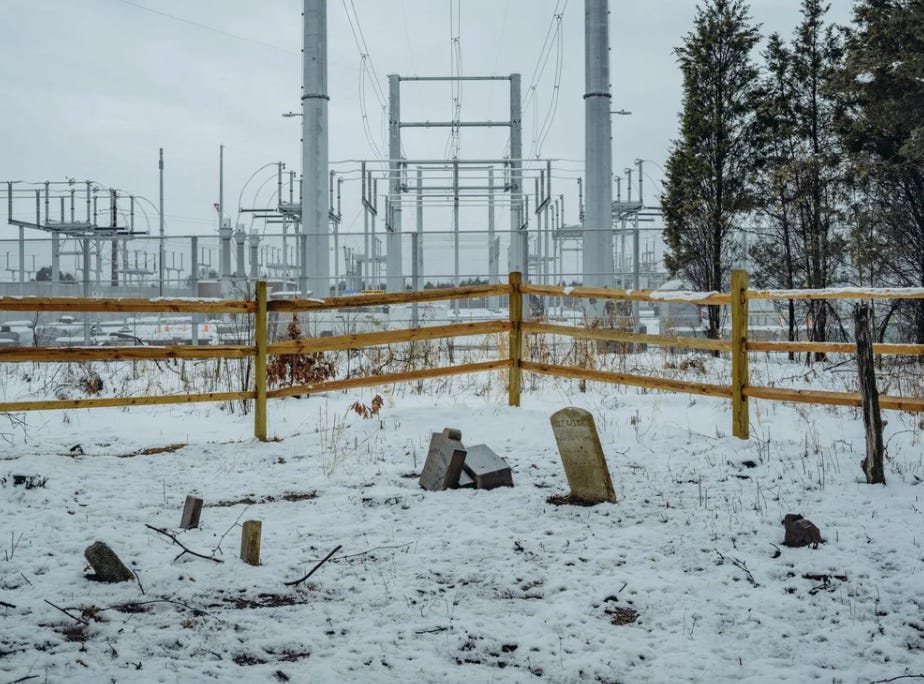
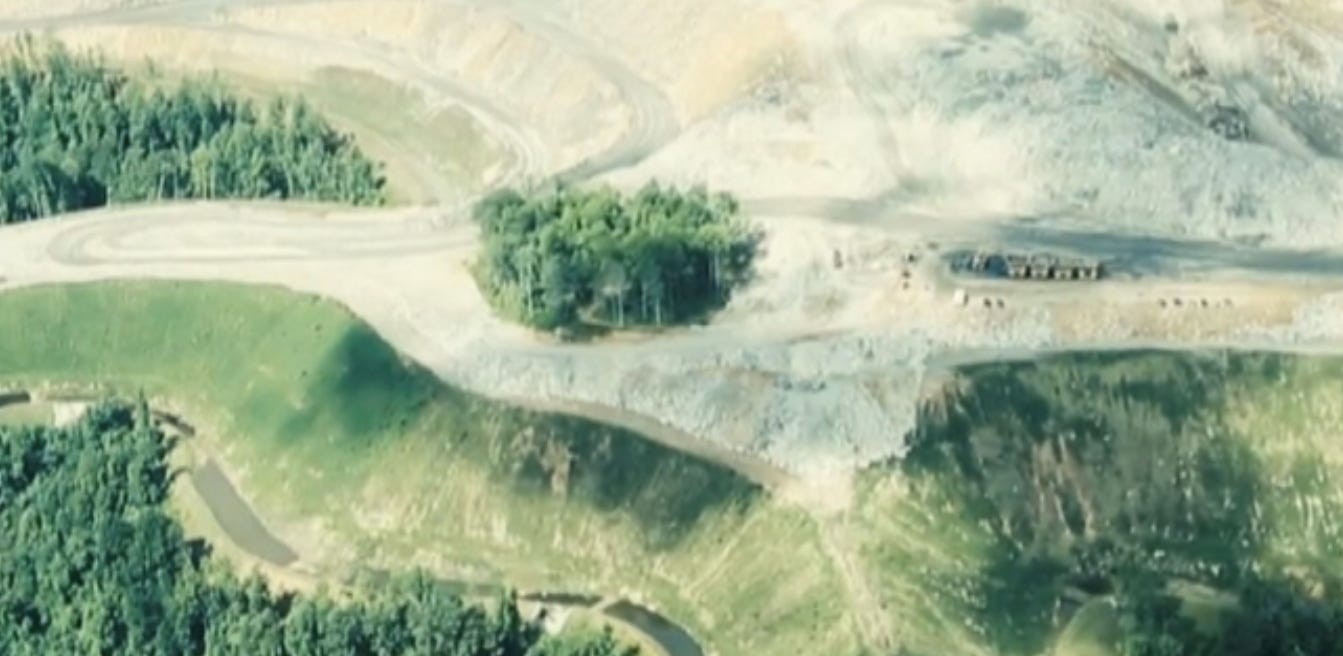
Stephen Voss’ photos of cemeteries surrounded by data centers & its infrastructure reminds me of a BBC story I produced in West Virginia, where mountaintop removal coal mining put Appalachia’s historic mountaintop cemeteries at risk.
Different industries, same tension: the past struggling to hold its ground.
This week, I came across a folk duo out of the Ozarks called The Creek Rocks. They won a fellowship from the American Folklife Center to put a modern twist on old, rare, mostly inaccessible archival music.
In an interview, the musicians said their hope is to “preserve the music, let people hear it who wouldn’t ordinarily.”
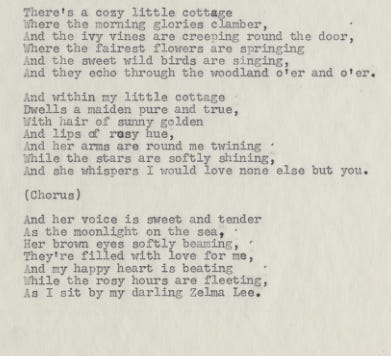
You can check out one old version of “Zelma Lee” below. This recording, from Jimmie Driftwood in 1954 in Timbo, Arkansas, and has roots that stretch much further back.
And the reimagined version by The Creek Rocks here.
Not every place can be saved from the pull of change and progress. But place isn’t always physical. It can come in the form of a folk song, a piece of art - anything that carries you home.
Another weekend, another historic town in Virginia.
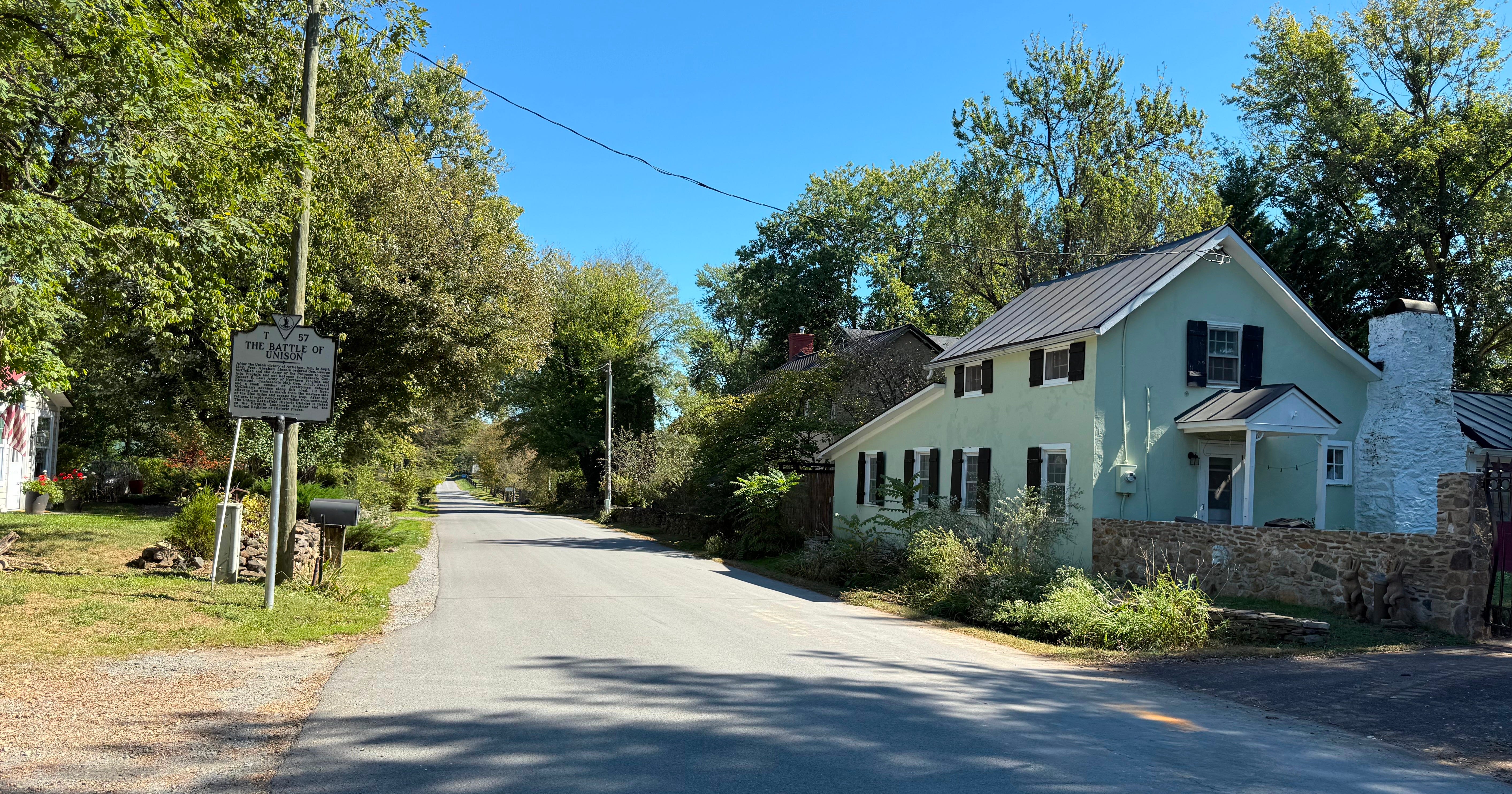
We went to Unison to explore a new gravel route on our bikes. It was a day off from writing, from thinking, from reporting.
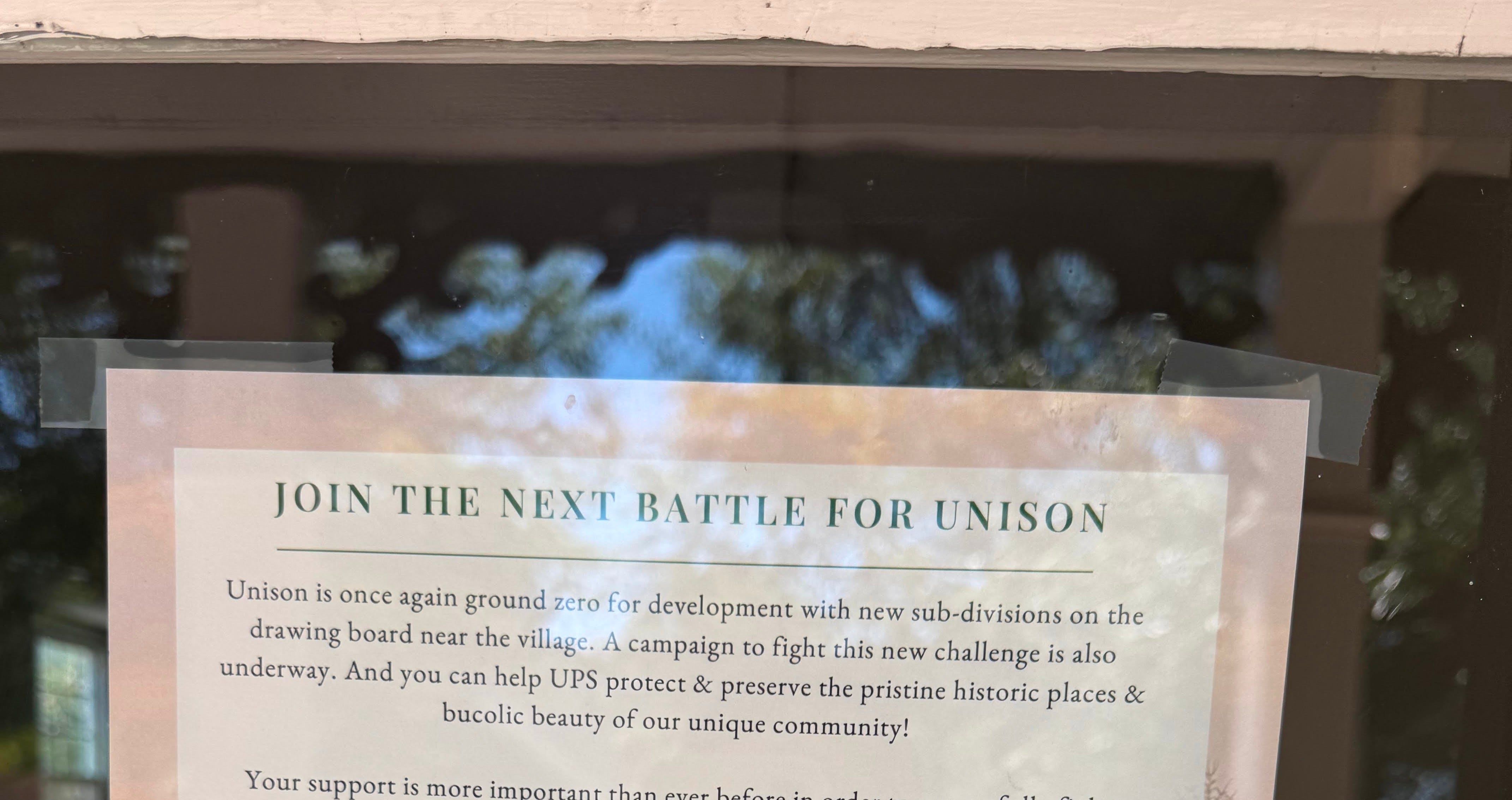
But I can’t seem to escape this story.
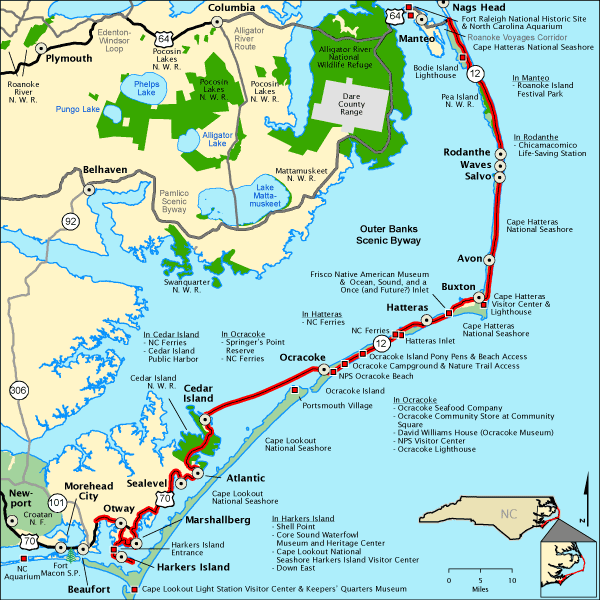
North Carolina’s Hatteras Island might be the poster child for disappearing places.
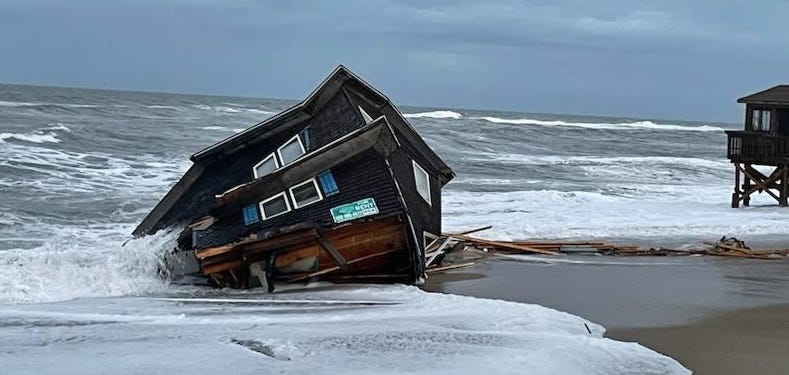
The images from Buxton & Rodanthe are powerful. Houses once set hundreds of feet from the surf are now being swallowed by the sea. 21 homes have fallen into the ocean in the last five years along this stretch of coast. Ten of them have collapsed in in the last month alone.
Many online have asked why the houses aren’t relocated or demolished before they collapse. The answer: those costs fall to the homeowner — and can be prohibitively expensive. Insurance companies only approve claims if the house falls into the sea.
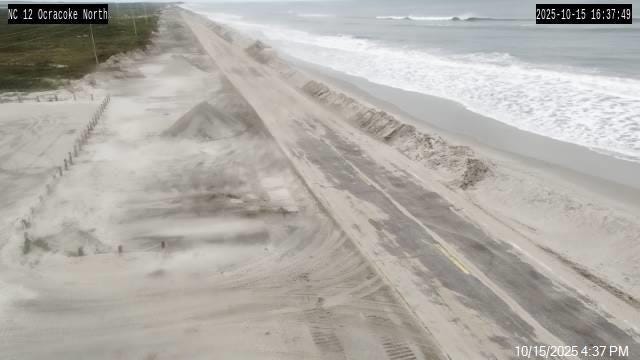
On the Outer Banks’ main artery, NC 12, the line between land and sea is often blurred. In some places, waves and dunes wash over the road, flooding for days. The sea claims up to fifteen feet of land along this road a year.
In a 2024 report to Congress, the National Park Service (NPS), which operates Cape Hatteras National Seashore, said the barrier islands “have been changing for thousands of years.” Some human attempts to slow erosion, they noted, have unintentionally “exacerbated erosion.”
Sea levels are projected to rise up to fourteen inches by 2050 — and flood events are expected to increase tenfold. The NPS wrote that they expect the situation to worsen.
The people who love Hatteras Island will keep trying to hold back the sea. It is human to hold tight to things never meant to stay the same.
As much as we hold on, there’s an art in knowing when to let go.
The church closed a decade ago — and bulldozing these old buildings is how archdioceses sometimes deal with empty and expensive real estate. But in this case, the Commission is trying to stop them, citing historical value.
It has me thinking about a different place — rural St. Martin, Ohio. I wrote about my hometown’s heritage in a piece last year. It was founded by pioneering Catholics who hoped to build a religious enclave in remote wilderness.
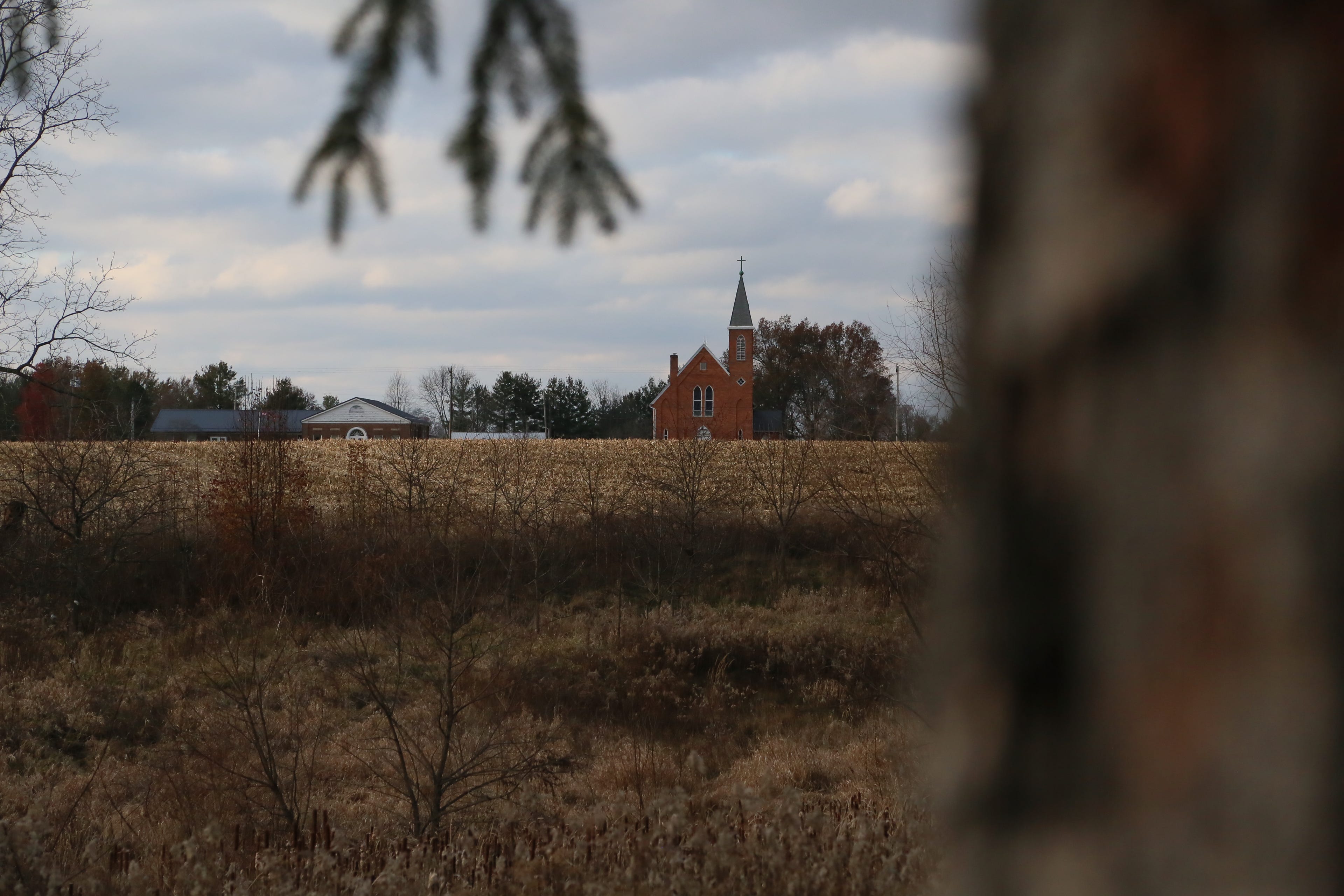
The beloved church in St. Martin’s closed in 2012, after mold issues became too expensive to repair.
It is still standing, at least.
“When you talk to rural Catholics about their parish closings, it’s akin to a loss of a loved one,” said Dr. Kristy Nabhan-Warren from the University of Iowa. This was one of my favorite quotes from her — but didn’t make it into my final piece.
Today, St. Martin’s is like a ghost. It haunts the people who remember it, while being overlooked by those who never knew it. The next generation knows a different place. Their version is disconnected from its Catholic roots, but still there, like ink fading on old skin.
We’re forced to shed the old to make space for the new. Sometimes it hurts. But maybe what matters most is what remains — the remnants that remind us of who we were, even as we become something else.