
Summer Reflections
Fleeting, disappearing things I'll remember from summer '25

The slow fade of summer is on my mind. The leaves are still green but warmth is beginning to show. There have been so many years that I didn’t notice this transition. I’d be focused on work, errands, my general life that summer seemed to bleed straight into winter. Not this year.
Here in Virginia, the humid air is hanging on and Fall is approaching in slow motion. The leaves are changing, leaf by leaf, a little more each day. The temperatures are still high but autumn crispness has blessed us a few times, a reprieve from one of the hottest summers on record.
August and September, so late in the season, always feel like an extended goodbye. For me, my focus becomes soaking in the last of the season. That’s what I’ve been doing lately - saying goodbye to summer ‘25, and trying not to take the transitional moments - of the seasons, of our environment, of our society - for granted.
Here’s some notes from the transition:
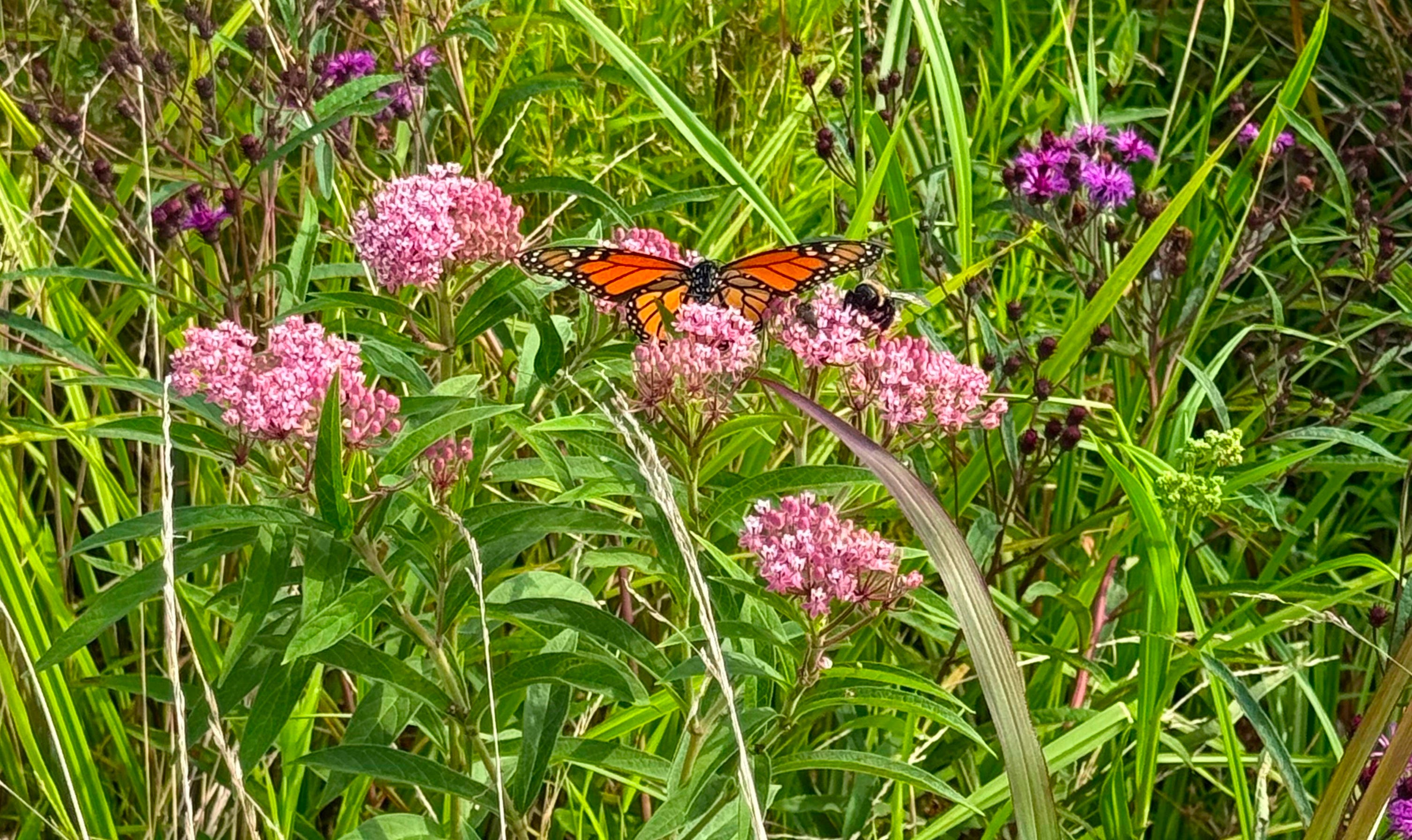
I have seen several monarch butterflies this summer. I noticed them on walks, on a hike, and fluttering by my vehicle on a back road. It’s a rare sight. They typically only live for a few weeks, like the one above, which I saw in early August. But if they’re born in late August, they are considered the ‘second generation’ and they can live eight or nine months. The second generation monarchs are currently starting a migration thousands of miles south to central Mexico for the winter.
Monarch butterflies are in decline. Habitat loss due to development, climate change, and pesticide use are a few of the reasons. There’s a proposal by the U.S. Fish and Wildlife Service to add them to the endangered species list. The National Wildlife Federation says western monarchs will almost certainly go extinct in the next 60 years. Eastern monarchs have a little bit better chances but have over a 50 percent chance of facing extinction in the next 60 years as well.
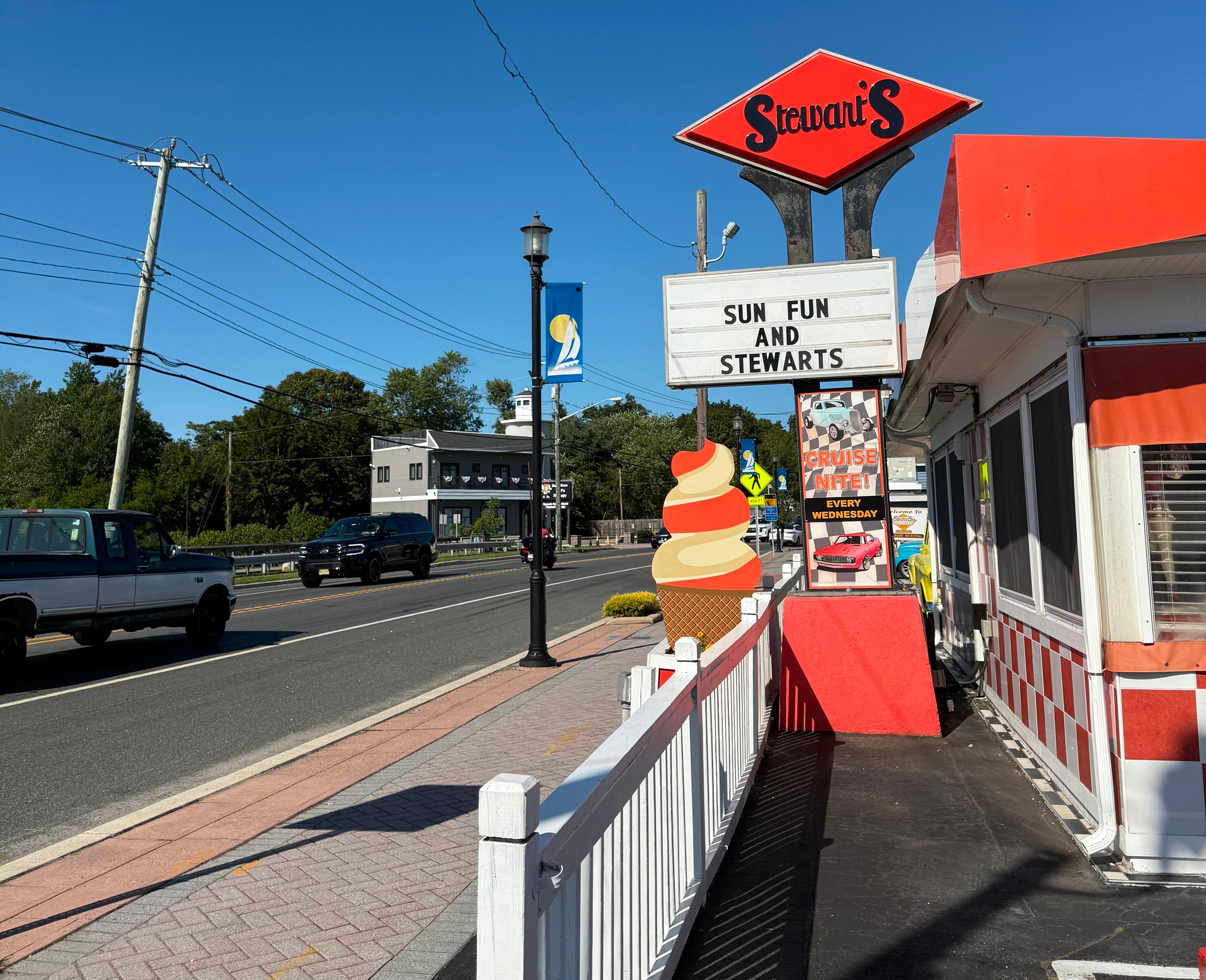
I love an old fifties style drive-in restaurant. Stewart’s started in northern Ohio back in 1924 but I have only been to this one location in Tuckerton on the Jersey Shore. There’s not that many of these left. Reports say around 20-30 franchises still exist, mostly in New Jersey, with a few in West Virginia, Ohio, Pennsylvania, and New York.
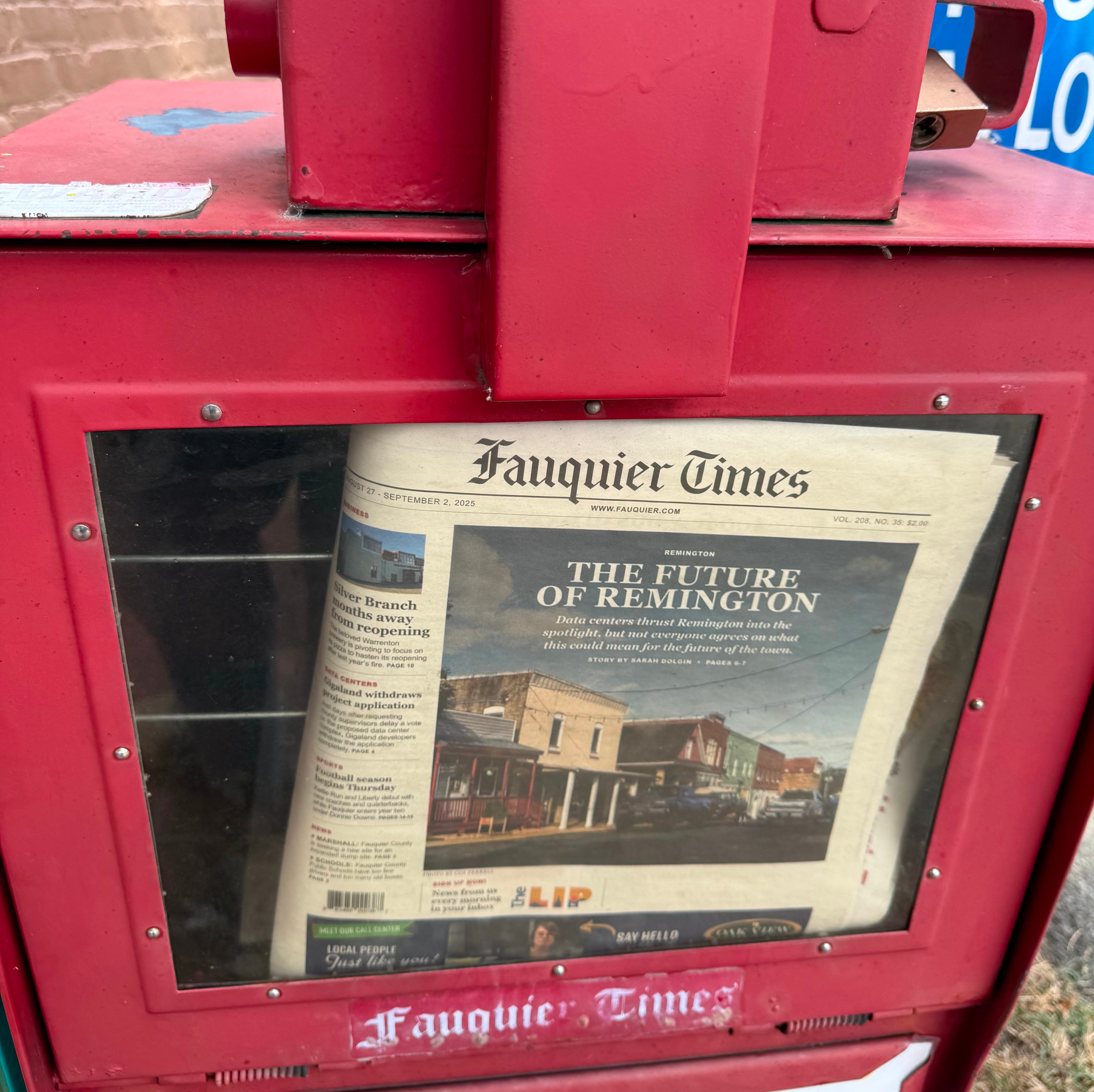
My husband Tim and I visited Fauquier County, Virginia a few weeks ago. It’s historically a more rural county on the outskirts of what you’d consider the Washington suburbs. While walking around, I spotted this newspaper stand.
I was surprised that the papers were mostly gone, which this journalist loves to see, especially when it is a local newspaper, since an increasing number of places do not have one in this country.
And the front page story shows yet another local Virginia town is grappling with yet another defining moment for their community: “The Future of Remington: Data Centers thrust Remington into the spotlight, but not everyone agrees on what this could mean for the future of the town.”
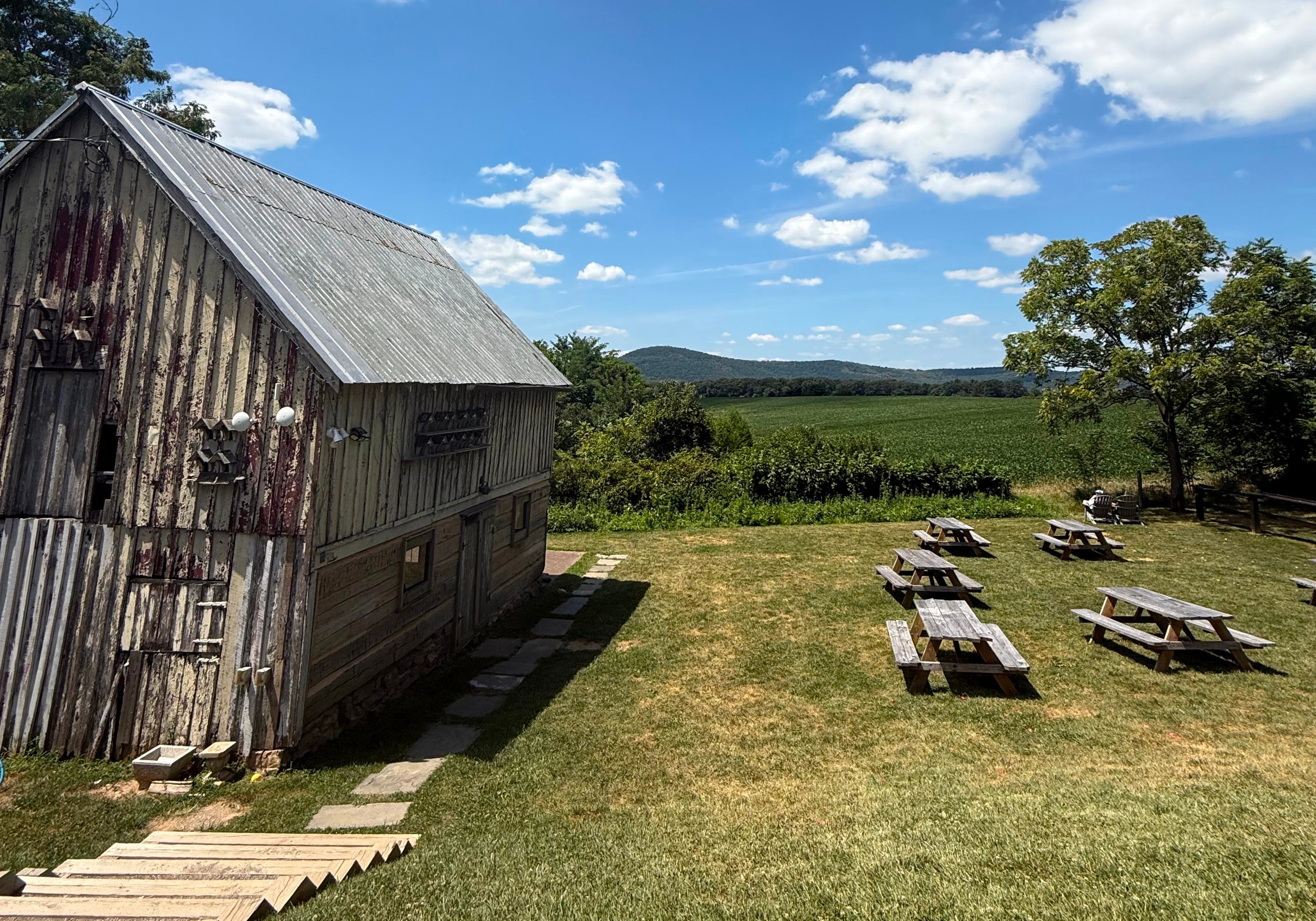
We hiked Sugarloaf Mountain across the Potomac River in Maryland. It’s the cone-shaped monadnock, or isolated mountain, within the surrounding landscape of rolling farm fields. The mountain is a national historic landmark partly because of its use as a lookout for both Northern and Southern forces in the Civil War. Before colonials arrived, the mountain was used for hunting ground by the Piscataway tribe.
The mountain also means a lot to Tim. You can see it from the Virginia town his family is from, just across the river. Fun fact: my first gift to Tim was a custom painting of the mountain for his birthday.
This area of Maryland is very rural, with some of it under preservation ordinances, put in place years ago to slow encroaching development. But that hasn’t stopped the threats. A utility-scale solar farm seems likely despite the agricultural protections for the area. High energy power line proposals are concerning area farmers. Some suggest the region could become home to desperately needed affordable housing in the area.
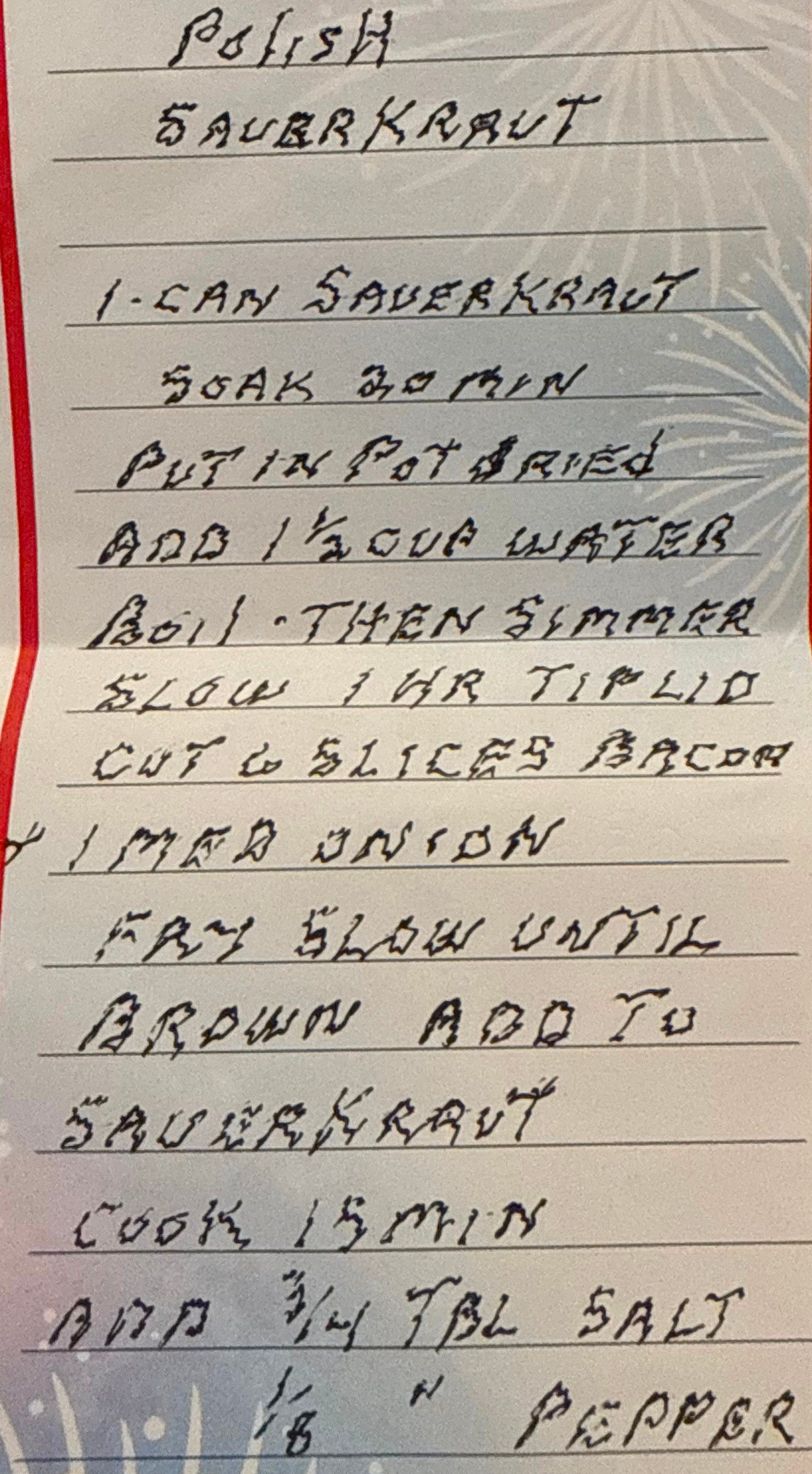
A family recipe was exchanged while celebrating my cousin’s baby shower. It got me thinking how recipes and food are another way to keep families alive after my post a few weeks ago about The Disappearing Cadigans.
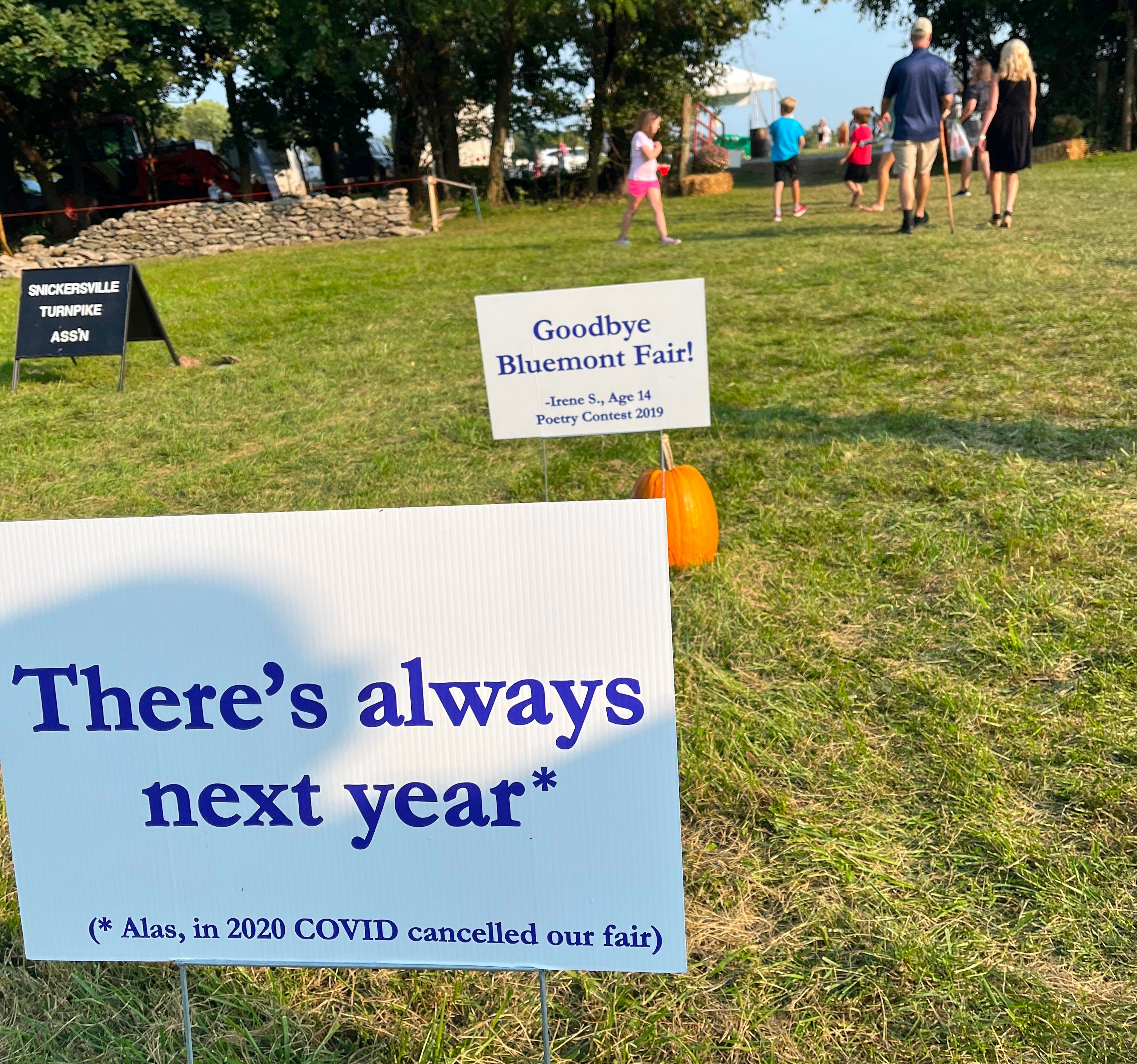
The beginning of Fall here in Loudoun County, Virginia is different than it was where I grew up. Back home in southern Ohio, we looked forward to the county fair to usher in the new season. Every year, we’d get the last week of September off from school, about a month after the new school year began. We’d spend the first chilly fall nights watching tractor pulls and on fair rides.
Here, every community in the county seems to have its own, long-running festival that pays tribute to its individual heritage. We’ll visit two this weekend with more to come in the weeks ahead.
Everyone’s got a tradition for the seasonal transition - but as the sign above is a reminder - it’s about keeping them alive, despite the odds.
Lost & Found
Have you ever seen a true dark night sky? Here’s a map of places where you can still see it.
A new nonprofit news outlet, RE:PUBLIC, launched, dedicated to covering public lands out west. Public lands are under threat for a variety of reasons. Check it out here.
I’m reading The Last American Man by Elizabeth Gilbert, also the author of the more well-known Eat, Pray, Love. It’s an easy nonfiction read about the contemporary American male identity. It follows a man who left a comfortable suburban upbringing to live alone in the Appalachian mountains.
A reason for optimism:
I was part of FFA, or Future Farmers of America, in high school. Clearly, I didn’t become a farmer — but it taught me a lot about agriculture, something that I’ve carried with me in every story I’ve worked on in my career.
Last year, the FFA hit 1 million members for the first time in history. They recently announced that their numbers continue to increase.
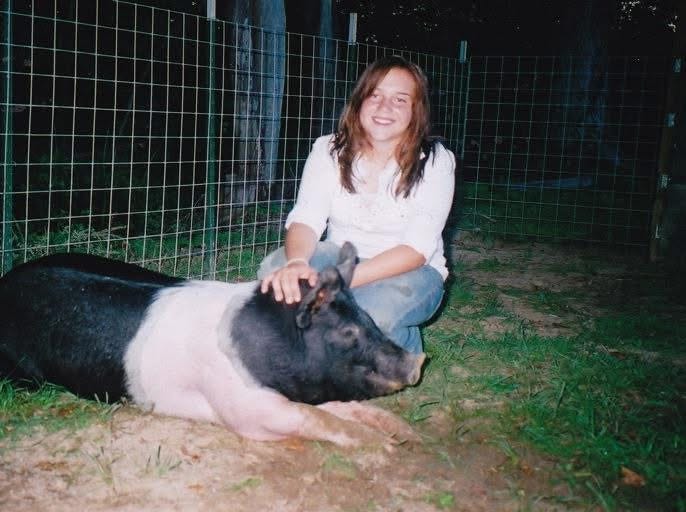
Members of the FFA have to take a class and complete something called a SAE, or a Supervised Agricultural Experience. I raised pigs for the aforementioned county fair.
My former high school is rural, tiny, and without many resources, but its FFA chapter continues to be state and nationally recognized. How many organizations can put a rural school on the map, and give country kids an opportunity to be on a national stage? This is the only one I know of.
Good read. The equipment is starting to move on the solar project around me. Despite 5 years toughing it out. County is against it many others. No PILOT ( payment in lieu of taxes) a form of tax abatement. It seems to be moving forward. Yellow Wood Solar LLC.
Your FFA chapter is doing well, heading into convention time. Keep up the good work!